

Building Costs and Labor Shortages: How Tariffs and Immigration Policies Could Reshape Housing Affordability
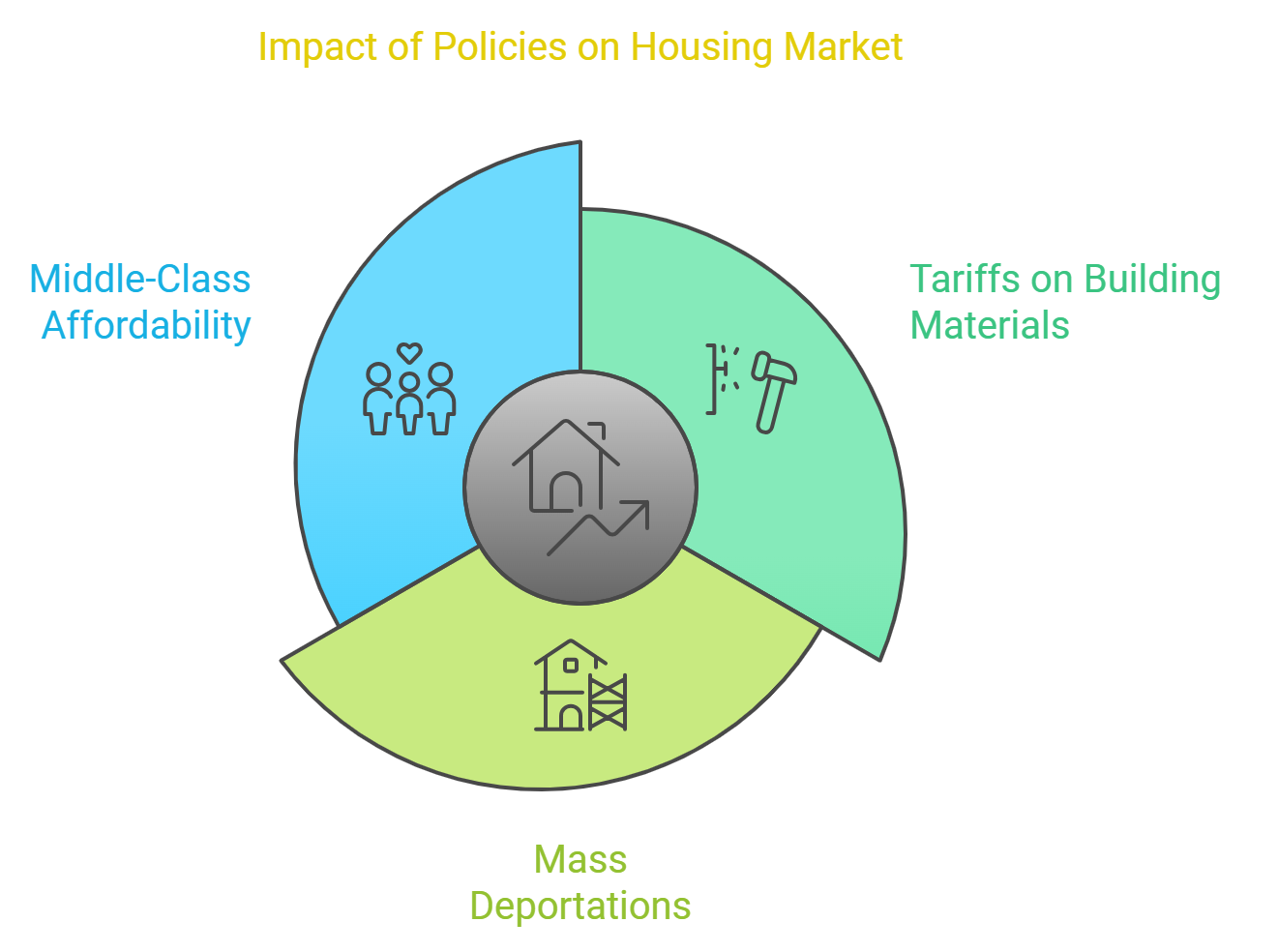
The housing market faces mounting pressures from proposed economic policies. Two significant issues — tariffs on building materials and potential mass deportations of undocumented workers — could substantially increase construction costs and reduce housing affordability, particularly impacting middle-class families.
Tariffs on Building Materials
 : What They Mean for Housing Costs
Where Do Our Building Materials Come From?
Lumber (Wood):
- The U.S. obtains approximately 28% of softwood lumber imports from Canada, essential for home framing and structural components
- Previous tariffs on Canadian lumber raised new home costs by an estimated $9,000 per unit
- Proposed 25% tariffs on Canadian imports could produce similar or greater increases
Steel and Aluminum:
- Canada, Mexico, and China supply significant quantities used in framing, roofing, and infrastructure
- A proposed 60% tariff on Chinese imports and 25% on Mexican and Canadian shipments could substantially elevate costs
- Roofing materials, appliances, and HVAC systems would become considerably more expensive
Manufactured Goods:
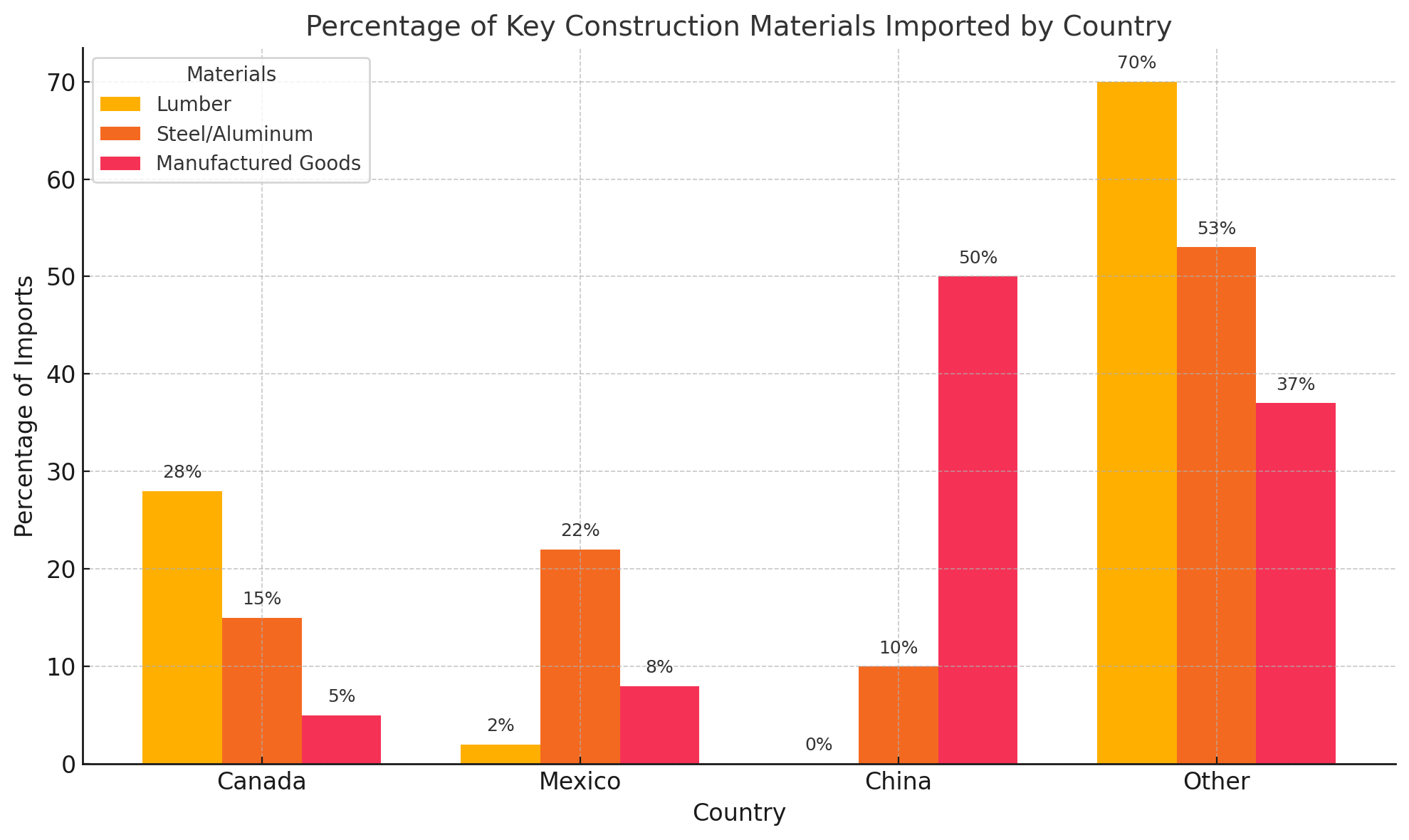
- Drywall, flooring, and light fixtures frequently originate from China
- Heavy tariff burdens on Chinese products would cascade through construction, inflating costs at every stage
Implications for Housing Costs
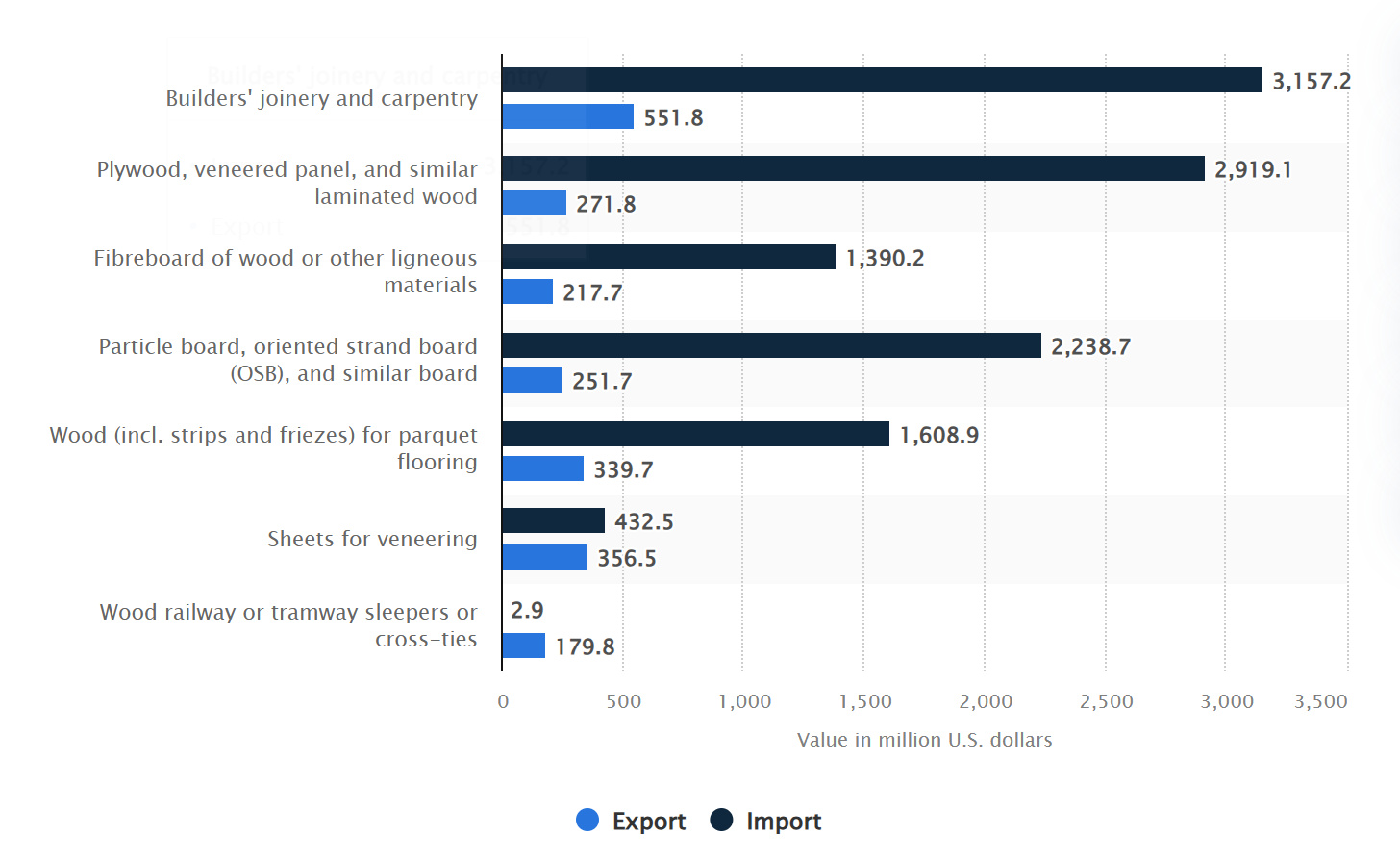
- Higher Material Costs: Builders would absorb elevated expenses, passing them directly to homebuyers
- Delays in Housing Supply: Rising costs may discourage new construction projects, further constraining already limited housing inventory
- Middle-Class Impact: With affordability already in crisis, price increases would disproportionately exclude middle-income purchasers from the market
Deporting Immigrants: A Labor Crisis in the Making
The Role of Immigrants in the Construction Industry
- Immigrants comprise 24% of the U.S. construction workforce, with 13% undocumented
- They predominantly perform labor-intensive tasks including framing, drywall installation, roofing, and concrete work
- These positions remain difficult to fill with domestic workers due to physical demands and relatively modest compensation
Implications of Mass Deportations
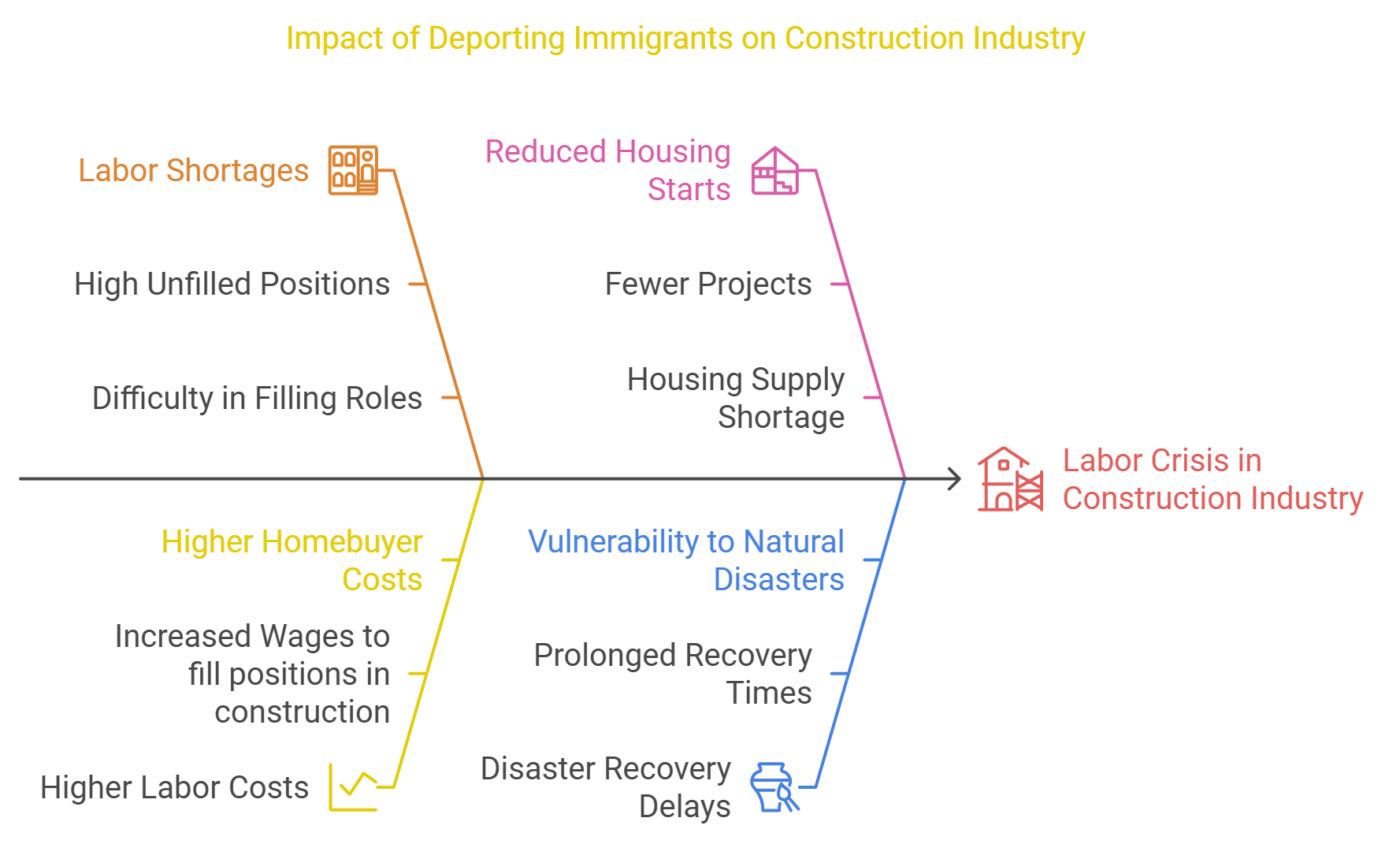
Labor Shortages: The construction sector already faces severe workforce deficits, with over 400,000 unfilled positions as of 2023. Removing millions of undocumented workers would intensify this shortage dramatically.
Higher Labor Costs: Contractors would need to raise wages to attract domestic workers. Though beneficial for U.S. workers individually, this translates into significantly elevated homebuyer expenses.
Reduced Housing Starts: Fewer available workers combined with higher expenses would prompt builders to scale back projects, exacerbating the housing supply crisis.
Disaster Recovery Delays: Immigrant labor has proven critical for post-disaster reconstruction. Mass deportations could substantially extend recovery periods following hurricanes, wildfires, and similar events.
Housing Starts: A Key to Housing Affordability
Housing starts have declined substantially in recent years. The U.S. Census Bureau reported a 13.7% year-over-year decrease in 2022, reflecting labor shortages, escalating material costs, and economic uncertainty. This decline further tightens housing supply, making affordability increasingly difficult for middle-class families.
How Proposed Policies Could Impact Housing Starts
Tariffs on Building Materials: Higher material costs discourage new development initiatives. Smaller builders serving local communities with affordable housing would bear disproportionate impacts, potentially ceasing operations or reducing activities.
Deportation of Immigrant Workers: Significant labor gaps would elevate costs and delay projects. Affordable housing initiatives, operating on thin margins with cost-effective labor dependence, would suffer particularly severe consequences.
The Affordability Problem: Reduced housing starts mean even tighter supply in an undersupplied market. The National Association of Realtors estimates a shortage of 6.5 million homes. These policies could substantially worsen this deficit, continuing price increases that disproportionately affect middle- and lower-income families.
A Perfect Storm for the Middle Class
Combined, these policies create concerning consequences:
-
Rising Prices: Elevated material and labor costs increase new home prices, pushing homeownership further beyond reach for many families
-
Slower Market Activity: Reduced housing starts and extended construction timelines tighten inventory, driving up existing home prices simultaneously
-
Economic Ripple Effects: Declining construction activity could impact related industries — appliances, furniture — reducing overall economic growth and employment
What Can We Do?
Understanding these policies’ complexities proves essential. While tariffs and immigration reforms may appear straightforward protective measures, the reality involves significant trade-offs. Policies increasing costs and reducing workforce ultimately harm the middle-class families they intend supporting.
Remaining informed about market developments and consulting experienced professionals helps navigate informed real estate decisions. By comprehending these dynamics, stakeholders can better prepare for a substantially transformed housing market.
Want to discuss impacts on your real estate goals? Reach out — I’m here to help navigate changing housing market dynamics.
Sources: Bureau of Labor Statistics, National Association of Home Builders, U.S. Census Bureau, Tax Policy Center, Congress.gov, Harvard Joint Center for Housing Studies, Statista
Disclaimer: Information presented reflects data, industry analysis, and potential policy outcomes. The objective is providing an understanding of how these policies could impact the housing market and affordability if implemented.
