

How Remote Work is Shifting Housing Preferences and Shaping New Real Estate Opportunities
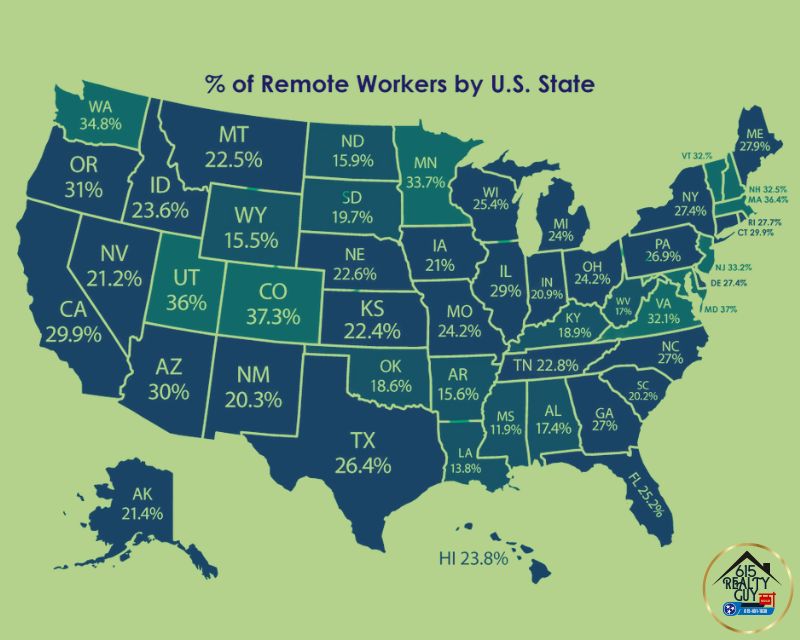
When the pandemic hit, it sparked a massive shift in how we work — and it’s a shift that’s continuing to ripple through the real estate market in ways we might not have expected. In 2021, a staggering 42.8% of U.S. workers were doing their jobs from home, and that number hasn’t slowed down. The reality? Remote work is reshaping the housing market, driving people away from urban centers and fueling a demand for space, tranquility, and flexibility that suburban and rural areas can provide.
This isn’t just a pandemic-era blip. It’s a fundamental shift in the way people think about where they live, work, and thrive. So, how is remote work impacting the real estate market today? Let’s dive in.
Suburban and Rural Revival: More Than Just a Trend
Before remote work became the norm, city living was practically synonymous with career success. Being close to the office meant being in the heart of the action. But as the daily office grind became optional for many, people started asking the same question: Why pay a premium for city living when we don’t need to be in the city anymore?
Now, suburban and rural areas that were once overlooked are seeing a resurgence. The shift toward working from home has made high-speed internet — as important as electricity and water — a top priority. Locations that were once seen as too far out or poorly connected are now in demand, with a growing number of properties boasting the digital infrastructure required for remote work.
Homes with extra space, quiet surroundings, and reliable internet are now not just desirable — they’re essential. It’s no longer about just finding a place to live, but finding a place that fits the new way of life — remote work has changed the game.
Price Patterns: The Ripple Effect of Remote Work
It’s no surprise that the demand for homes in suburban and rural areas has caused prices to rise. Areas that saw an influx of remote workers during the pandemic saw home prices skyrocket by as much as 23.8% from December 2019 to November 2021. And this isn’t just a pandemic trend — it’s the new reality of real estate.
In Nashville, for example, the growing demand for homes in suburban and rural areas has pushed property values higher, and new developments are popping up both within the city and in surrounding areas. These trends aren’t limited to Tennessee; they’re happening across the country as more people seek out space, privacy, and the chance to live a more balanced life away from the hustle and bustle of city living.
The Future: Remote Work is Here to Stay
Fast forward to 2025, and projections show that nearly a quarter of the U.S. workforce will be working remotely. What does this mean for real estate? In short: it’s changing everything.
Spacious homes in serene environments are more desirable than ever, with people flocking to the suburbs and rural areas, drawn by the appeal of a more peaceful life and the ability to work from home indefinitely. The appeal of city living will never completely disappear, but as remote work becomes more permanent, we can expect suburban and rural areas to continue flourishing.
Tax Considerations: The Financial Push for Migration
In addition to the appeal of a better quality of life, tax changes in recent years have also played a role in the migration away from high-cost, high-tax urban centers. The 2017 tax reform made it less financially appealing for many to own expensive homes in states with high taxes. As a result, many have sought more tax-friendly states, accelerating the trend of people moving out of high-cost urban areas.
This fiscal influence is further pushing the shift toward more affordable, tax-friendly suburban and rural locations, and we’re likely to see this continue in the years ahead.
Recalibrating What Makes a Place Worth Living
The remote work revolution is reshaping more than just where people live; it’s changing what people value in a home. No longer confined to urban centers, people are seeking homes that allow for a better work-life balance, and those homes often exist outside the city.
This shift is not only about leaving cities behind — it’s about redefining what makes a place worth living. Homes with space for home offices, access to nature, and the freedom of a peaceful environment are now at the top of many buyers’ lists. The work-from-home era has redefined what we need in a home, and this transformation is here to stay.
What This Means for You
Whether you’re thinking of buying, selling, or investing, it’s crucial to stay on top of how these shifts are influencing the market. Remote work continues to redefine the housing market, especially in suburban and rural areas. If you’re looking to take advantage of this shift, understanding these trends and how they play out in the current landscape will be key.
Let’s Navigate This New Landscape Together
If you’re looking to dive into how these trends impact the Nashville area or have specific questions about your real estate needs, reach out to me directly. I’m here to help you navigate this evolving landscape of real estate and find the right fit for your unique lifestyle.
