

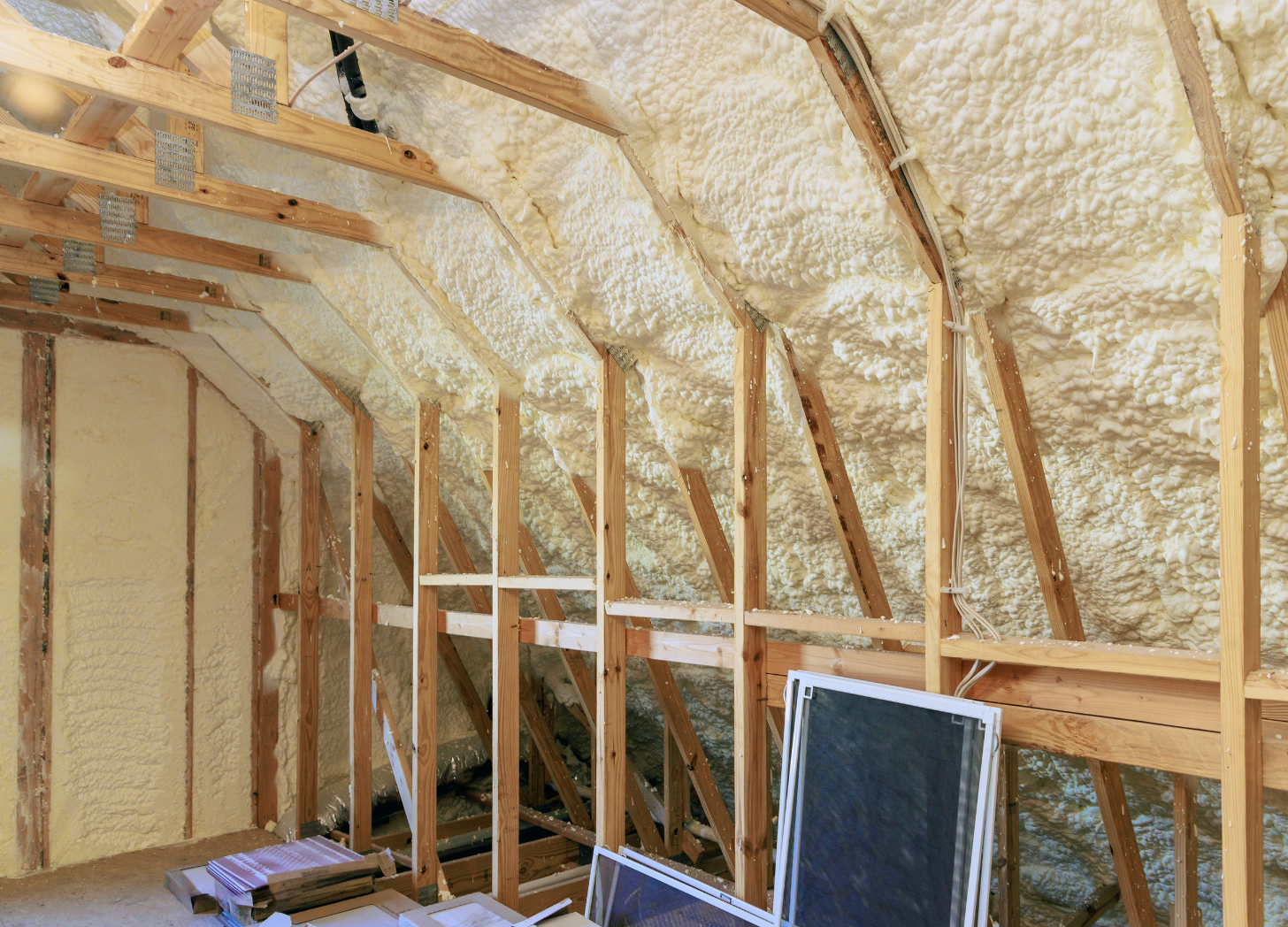
The Pros, Cons, and Risks of Modern Insulation Options
When building or renovating a home, insulation might seem like a simple checkbox — fiberglass or foam, pick one, move on. But this decision can have major long-term consequences, both financially and structurally.
I recently spoke with a veteran insulation professional who gave me a sobering perspective: Spray foam insulation, while highly efficient, must be installed with extreme precision using high-quality materials. Otherwise, it can cause hidden issues that don’t surface until it’s too late — and by then, you’re stuck footing the bill.
What Makes Spray Foam Appealing?
Spray foam insulation offers:
- A high R-value per inch (more thermal resistance)
- Excellent air sealing to reduce drafts
- Moisture resistance (in theory)
- Added structural strength (in closed-cell form)
These advantages are why many homeowners are willing to pay the premium price for spray foam. But what most people don’t hear during the sales pitch is that this efficiency comes with almost no margin for error.
Open-Cell vs. Closed-Cell Spray Foam: What’s the Difference?
Not all spray foam is the same — and choosing the wrong type for a specific application is a common and costly mistake. Here’s what you need to know:
Open-Cell Spray Foam
- Structure: Light, sponge-like, flexible
- R-Value: ~R3.5–R4 per inch
- Vapor Barrier: No – vapor permeable
- Sound Insulation: Excellent
- Cost: More affordable
- Expansion: Expands more, ideal for filling odd-shaped spaces
Best For: Interior walls (for sound dampening) and attic roof decks only if properly ventilated and inside conditioned space.
Warning: Never use open-cell foam in unvented attics, crawl spaces, or exterior walls where moisture needs to be controlled. Its vapor permeability can lead to condensation, rot, and mold.
Closed-Cell Spray Foam
- Structure: Dense, rigid, and water-resistant
- R-Value: ~R6–R7 per inch
- Vapor Barrier: Yes – acts as both air and moisture barrier
- Sound Insulation: Decent, but less than open-cell
- Cost: More expensive
- Expansion: Expands less, requires more precision
Best For: Crawl spaces, basements, roof decks (especially in hot or humid climates), exterior walls, and areas prone to moisture exposure or needing added structural strength.
The Hidden Costs That Can Hit Hard Later
Here’s why “cheaper upfront” or “faster install” can backfire in big ways:
1. Moisture Traps & Fungal Growth
Spray foam creates an airtight seal — which is great for energy savings, but if there’s any pre-existing or future moisture that gets trapped behind that seal, you now have a dark, damp environment where mold thrives.
In Vermont, some homeowners described it as the “Wild West” of insulation, where poorly trained installers left them with hidden rot, trapped condensation, and costly structural repairs. One homeowner said:
“I wanted to cry… The damage wasn’t obvious until it was too late.”
2. Insurance & Mortgage Risks
While still uncommon in the U.S., some insurance companies and lenders are beginning to scrutinize spray foam — especially when it’s applied in roof decks. Improper installation can void parts of a homeowner’s policy or even affect resale.
In the UK, this is already happening on a large scale. Homeowners there have had sales fall through and mortgages denied because of spray foam, including £10,000 property value losses, £5,000+ removal costs, and listings pulled off market indefinitely due to lender refusal.
In the U.S., legal firms are actively litigating cases involving improperly applied foam that caused respiratory illness, skin damage, and neurological symptoms from lingering chemical exposure. Improper curing and poor ventilation are usually to blame.
3. Expensive to Fix or Remove
Unlike fiberglass, spray foam isn’t just placed — it’s adhered. If it causes issues, removal often requires tearing into walls, ceilings, or roof decking. Homeowners can easily spend thousands just to undo a bad installation.
And good luck finding a contractor eager to clean up someone else’s mess. In many cases, no one wants to touch it because of the liability involved.
When Traditional Insulation Might Be the Safer Bet
Fiberglass batts, blown-in cellulose, and mineral wool aren’t as glamorous, but they have lower risk when installed correctly:
- Easier and cheaper to install and replace
- No risk of chemical exposure
- No issues with moisture trapping when combined with vapor barriers and ventilation
- Less scrutiny from inspectors, insurers, and lenders
These materials have been trusted for decades and may be a smarter choice, especially for homeowners planning to sell or refinance in the future.
If You Still Want Spray Foam, Here’s How to Protect Yourself
If you’re leaning toward spray foam, that’s totally valid — but only if you’re working with the right contractor under the right conditions:
- Ask for credentials. Are they trained by the foam manufacturer? Do they follow building science best practices?
- Verify materials. Cheap foam products don’t perform well and can be toxic.
- Review your attic/roof design. Especially with foam on roof decks, ensure moisture can escape or you may create long-term damage.
- Document the install. Get written details of materials used, coverage thickness, and warranties. These may come in handy for future appraisals, inspections, or insurance claims.
Final Thoughts
Spray foam can absolutely be a smart investment — but only when it’s installed correctly by a professional who knows what they’re doing. Otherwise, what looks like a modern upgrade can turn into a financial and structural nightmare.
Whether it’s $20,000 in lost value, black mold behind your walls, or insurance denials, it really can cost more than you think.
So when you’re choosing insulation, ask yourself: “Is this going to save me money — or cost me everything I just built?”
